Skip the mess and make your next seafood boil in the oven! Learn how to make a seafood boil bag and explore flavorful seafood boil recipes everyone will love.
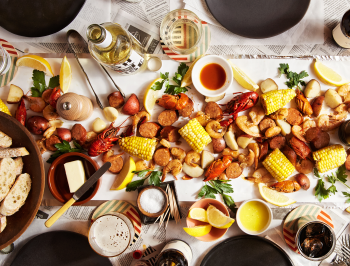
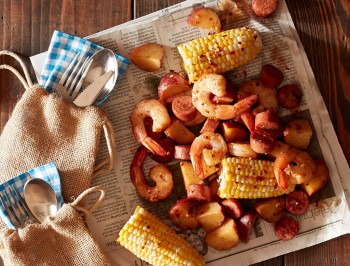
There’s nothing quite like a seafood boil. It’s hearty, bursting with flavor, and made for sharing. This one-pan meal is packed with delicious ingredients like shrimp, crab, potatoes, corn, and sausage, all boiled (or in this case, baked!) in a zesty, seasoned broth. It’s a social event as much as a meal, perfect for gathering your family and friends around the table. Whether you're craving the bold spices of a Louisiana Cajun boil, the briny simplicity of a New England style, the iconic kick of Old Bay, or the Southern charm of a Lowcountry boil, there's a version for every taste. The best part is that you can easily make it right at home using an oven bag—no need for a giant pot!
How to prepare a seafood boil in a bag
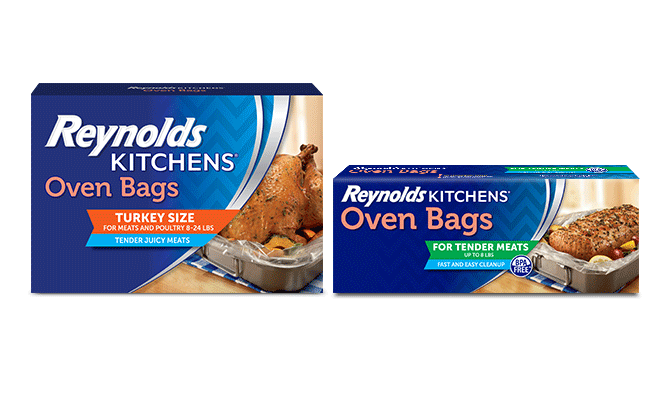
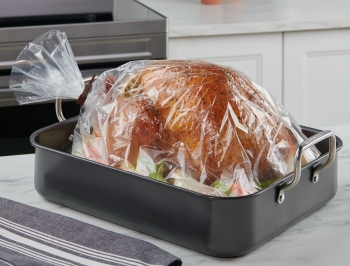
Making a seafood boil in an oven bag is easy and less messy than the traditional boil-in-a-pot route. Plus, it really locks in all those mouthwatering flavors—win-win! Let’s get started with prep by gathering your supplies and ingredients. You’ll need a Reynolds Kitchens® Turkey-Sized Oven Bag and a large roasting pan with at least 4-inch sides. For easier toss-and-go clean up, grab a Reynolds Kitchens® disposable roasting pan.
Now comes the fun part—choosing what to put in your seafood boil! This is where you can make it your own. Pick two or three of your favorite seafoods—think shrimp, crab legs, mussels, or whatever you crave. Throw in a sausage you enjoy (spicy, smoky, or sweet), plus some potatoes, corn, and any other veggies you like. Then, choose your seasoning and flavorings from a recipe, or just wing it! It’s all about mixing and matching seafood boil ingredients that satisfy your taste and make the boil uniquely yours.
Seafood and proteins
The amount per person depends on the extra ingredients you add, so feel free to adjust based on the number of proteins and other ingredients you plan to include. Keep the proteins to two or three max. Otherwise, you may overfill your bag.
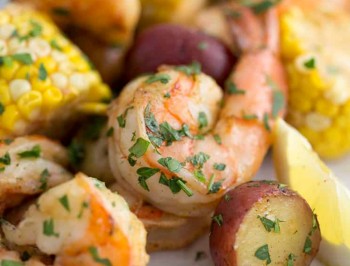
Shrimp or prawns: These are popular in seafood boils because they cook quickly, absorb bold flavors well, have a sweet, mild taste, and offer a tender yet firm texture that complements other seafood
Crab: King crab legs, snow crab, whole blue crabs, or Dungeness crab are popular choices
Lobster: It’s commonly used in seafood boils because of its luxurious, tender meat and ability to absorb the bold, spicy flavors of the broth. When using an oven bag, choosing lobster tails is better for a more manageable size
Clams or mussels: Clams bring a slightly sweet, tender meat, while mussels are known for their earthy, rich taste. Both are added to seafood boils for their briny, oceanic flavor and their ability to soak up the delicious broth
Crawfish: Crawfish are a beloved staple in seafood boils, particularly in the Southern United States, thanks to their unique, slightly sweet flavor and firm, juicy meat
Sausage: Sausage brings savory, smoky, and slightly spicy flavors that balance the sweetness of the seafood. Its firm texture adds a nice contrast to the tender seafood. Andouille sausage is a classic choice, especially in Cajun or Creole-style boils. Smoked sausages, such as kielbasa, offer a milder flavor profile
Hard-boiled eggs: Eggs soak up the savory, spicy broth, making them deliciously seasoned and adding a firm but creamy texture
Vegetables
Corn on the cob: Adds a satisfying sweetness that balances the savory and spicy flavors of the seafood and seasonings. The corn soaks up some of the boil's flavors, making each bite extra tasty. Three to four ears of corn, cut in halves or thirds, should be plenty
Potatoes: For a seafood boil, you’ll want one to two pounds of potatoes that hold their shape well and cook evenly, so starchy or waxy potatoes are the best choice. Some great options are Yukon golds, red potatoes, or new potatoes
Garlic: Six cloves or one tablespoon of minced garlic add an aromatic, slightly pungent kick that helps to balance out the richness of the seafood
Onions: As it cooks, one small onion, loosely chopped or minced, will develop a sweet and slightly caramelized flavor, helping to create a deliciously fragrant, well-rounded broth that soaks into the potatoes, corn, and other components of the boil
Mushrooms: They give the broth a deep, earthy flavor with subtle, nutty notes. If desired, use one pint of fresh or one can of mushrooms
Seasonings, sauces, and flavorings
Melted butter: Mixed with garlic and spices, melted butter helps make a warm, savory sauce full of bold flavor
Broth: For a richer broth, use chicken, vegetable, bone broth, or stock. Some even add beer and wine to contribute to the aromatic qualities of the broth, infusing it with their unique scents and flavors
Old Bay seasoning: A bold, aromatic blend infusing seafood broth with its warm, peppery heat and briny brightness
Cajun seasoning: A smoky-sweet blend of spices and herbs that brings fiery Southern heat and bold flavor to every bite
Lemons and oranges: Toss some quartered lemons and oranges while cooking for a bright, refreshing flavor. You can also slice up a few extra lemon and orange wedges to serve on the side for an extra pop of citrus goodness
Fresh parsley: Sprinkling some chopped parsley on top gives your seafood boil a fresh, herby kick and adds a gorgeous pop of green that stands out against the vibrant yellow, orange, and red colors of the dish
Step 2: Cut vegetables and prepare shellfish
Thawing frozen ingredients
About 24 hours before cooking, transfer frozen seafood, corn on the cob, or other frozen ingredients to the refrigerator to thaw safely. If you’re short on time and decide not to thaw your ingredients, the USDA recommends allowing at least 50% more cooking time.
Rinse and prepare your shellfish
Rinse all shellfish thoroughly with cold water to remove sand, dirt, and other debris.
Mussels
Remove any caked-on mud or debris with a vegetable brush
Remove “beards” (the fibrous threads protruding from the shell’s hinge) by pulling them toward the tip of the mussel. Then, rinse them with cold water in a colander1
Clams
Rinse clams, brushing off any surface grit or debris
Some clams, like mussels, may have a "beard" (the fibrous piece sticking out of the shell). You can pull it off by hand or with a knife
Discard any clams with cracked or open shells, as these are likely dead and unsafe to eat. To check if a clam is alive, gently tap it on the counter or squeeze it. If it closes, it's alive. If it doesn’t close, discard it
Purge the clams to filter out sand and grit inside their shells by soaking them in a large container or bowl with cool salted water (about 1/4 cup of salt per gallon). Let them sit for 20-30 minutes
Then, rinse each clam thoroughly with cold water2
Lobster tails
Cut lobster tails into smaller serving sizes. Use sharp kitchen scissors to cut the top and bottom of the lobster tail shell, then use a sharp knife to cut the lobster tail into two serving pieces
Devein the tail, if needed
Shrimp and crawfish
Devein if needed
Wash and cut your corn, onions, citrus, potatoes, garlic, and parsley
Cut cobs of corn in half or thirds
Cut onions in half or quarters if you like heartier chunks of onion in your boil, or chop to caramelize with the seafood boil sauce
Cut lemons or oranges into quarters
If potatoes are large, cut them in half or quarters for quicker cooking
Prepare the garlic. Peel cloves, mince garlic cloves, or roast the garlic for added flavor
Chop fresh parsley
Measure your spices into a bowl and set aside
Step 3: Precook potatoes, sausage, corn, and eggs
Precook your potatoes
Since whole potatoes often take longer to cook, it’s best to precook or parboil them until they are fork-tender. This will ensure that all your ingredients finish cooking at the same time. Some recipes, such as our Seafood Boil in a Bag recipe, omit this step by cutting potatoes into 4-6 smaller wedges so they cook quickly alongside the other ingredients in the oven bag. Shrimp, prawns, crawfish, and lobster tail cook quickly, so it’s best to pre-cook your potatoes if choosing any of these types of seafood.
How to pre-cook your potatoes
Place potatoes in a pot of salted, cold water
Bring to a boil over high heat
Cook for 10 minutes until they are slightly tender
Remove the potatoes from the boiling water
Preseason and precook your ears of corn
If you use fresh corn on the cob, you may want to parboil or partially cook the ears beforehand so the seasonings, like salt, can seep into the corn. The most common method is to boil them in salted water. Because they will continue to cook in the bag, you only need to cook them for about half the time, approximately five minutes. Once removed from the water, you can sprinkle with more seasonings, if desired. While precooking isn’t always necessary, it helps infuse the seasonings into the kernels and gives them a deeper flavor. It’s also wise to precook your corn if you’re adding shrimp, prawns, crawfish, or lobster tail to your seafood boil. These types of seafood cook quicker than corn. You don’t want to overcook seafood. Learn how to make corn on the cob and explore six different methods for cooking corn.
Sear your sausage
Cut sausage into bite-sized portions using diagonal or straight cuts
Heat oil in a skillet over medium-high heat
Add sausage cuts to the pan and sear for about 5 minutes until browned
Remove sausages from the pan and set aside
Reserve the skillet with the sausage drippings to make a flavorful and rich seafood boil sauce
Prepare boiled eggs
Add eggs to a saucepan or pot and cover with cold water
Bring the eggs and water to a rolling boil over high heat
Remove pan from heat and cover. Leave the eggs “cook” in hot water for 6-8 minutes for a soft-cooked egg with soft but set egg yolk and firm egg whites
Remove the eggs immediately. To stop the cooking process, place the eggs in a bowl filled with cool water and ice cubes
Carefully peel and remove eggshells3
Step 4: Make the seafood boil sauce
This recipe will make enough sauce for a seafood boil that serves 4 to 6 people. You might need to adjust the quantities based on the amount of seafood, sausage, and vegetables you have.
How to make a seafood boil sauce
Over medium heat, melt 1 ½ cups of butter in the skillet with the sausage drippings
Add a small onion (halved, quartered, or chopped) and 1 to 2 tablespoons of minced garlic to the skillet and sauté until the onions are translucent. (Optional: oven-roasted garlic works well, too!)
Add the juice of one lemon (or orange) and one tablespoon of lemon zest (or orange zest)
Add ½ cup chicken, vegetable, seafood, or bone broth
Add 1/3 cup wine or beer (Optional. Add an additional 1/3 cup broth if you don’t add the wine or beer)
Stir and bring to a boil, then let simmer to reduce for 5 minutes
Add spices and seasonings of your choice. The seasonings listed below are for a Cajun-style flavored sauce
• 1 to 2 tablespoons of seafood seasoning
• 1 to 2 tablespoons of Cajun seasoning
• 1 tablespoon paprika
• 2 tablespoons of lemon pepper
• 1 teaspoon of cayenne pepper
• ¼ cup hot sauce
• Worcestershire sauce to taste
Taste and add more spices until you reach the desired flavor and spice level
Sprinkle with about ¼ cup or more freshly chopped parsley for added flavor and freshness4, 5
How to make seafood boil sauce thicker
If your seafood boil sauce is not thickening as it reduces, you can try these three options:
Keep reducing: If the sauce is watery, reduce it a little longer. As it continues to reduce, the sauce will become more concentrated
Cornstarch or roux: Mix one tablespoon of cornstarch or arrowroot with an equal amount of cold water to create a slurry. Or melt extra butter and gradually mix in small amounts of flour until a roux forms. Whisk the slurry or roux into your sauce while simmering to ensure it becomes well incorporated and gradually thickens
Puree: Cook and puree extra vegetables or rice, then mix them into the seafood boil sauce to enhance the flavor and thicken the sauce without using cornstarch or flour
Cooking a seafood boil bag in the oven
Step 5: Layer seafood boil ingredients and sauce into your Reynolds Kitchens® Oven Bag
Fit the oven bag inside a Reynolds Kitchens® Disposable Turkey Roasting Pan or a large roasting pan with 4-inch sides. The bag should be laying flat and filled from the side, not with the bag upright.
Place the roasting pan on a sturdy sheet pan for easy transport and support to and from the oven
Ladle a few spoons of seafood boil sauce into your oven bag to coat the bottom. Add two tablespoons of flour to the liquid and gently stir with a silicone or plastic spoon until the flour dissolves.
Layer ingredients in the oven bag, starting with those that require the most cooking time. Do not overfill the bag. Split the ingredients into additional bags and pans if needed. Layer in this order:
Potatoes (longest time to cook, if not precooked)
Corn
Sausage
Mussels or clams
Crab legs
Boiled eggs
Shrimp, prawns, crawfish, and lobster tail (shortest time to cook)
Add more seafood boil sauce to cover the layered ingredients
Sprinkle more seasoning in the bag if desired
Close the bag with tie found inside the package
Cut six ½ inch slits on the top of the bag to allow the steam to escape. Tuck ends of the bag in the pan.
Transport and cook your Reynolds Kitchens® Disposable Turkey Roasting Pan with the sturdy sheet pan underneath. Always lift and handle with caution when placing the pan into and taking it out of the oven to prevent burns from spilled liquids
Cooking Tips
Shrimp, prawns, crawfish, and lobster tails cook quickly and should be prepared with precooked potatoes and corn to ensure that all ingredients are finished at the same time. If overcooked, these types of seafood will become chewy and rubbery
Avoid overstuffing the bag to ensure even temperature and cooking
Step 6: Bake in a preheated oven
How to make a seafood boil in the oven:
Preheat oven to 400°F
Place the oven rack in the bottom rack of the oven to accommodate the size of the seafood boil bag
Tuck the edges of the oven bag into a roasting pan before placing it in the oven. Always prevent bags from directly touching racks, heating elements, or open flames
If using a disposable aluminum pan, place a large sturdy sheet pan under the disposable aluminum pan before filling the oven bag. Use care when transporting and lifting the sheet pan and disposable pan into the oven
If making more than one seafood boil bag, cook each separately for proper heat distribution and circulation
Using a meat thermometer, cook according to your recipe or for 15 to 20 minutes until the seafood reaches a minimum internal temperature of 145°F (For boils with shrimp, prawns, crawfish, or lobster tail, it may take half of that time or less. Don’t overcook)
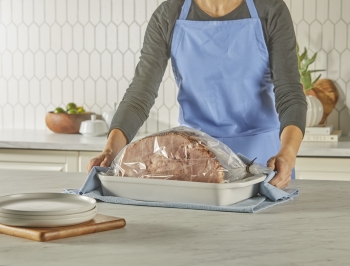
Remove from the oven using a large study sheet pan under the disposable pan to transfer. Carefully cut open the top of the bag to serve. Make sure the bag remains in the pan on a supportive surface
A seafood boil is a social dish cooked with seafood like shrimp and crab with corn, potatoes, and sausage. It's oh-so-tasty and great for gatherings! While people still make it in a big pot, many now use oven bags instead.
Whatever you like! Just toss your favorite seafood, sausage, seasonings, and sides, and let everything soak up those delicious flavors together! Get the full list of seafood boil ingredients in step one of our seafood boil bag guide.
For a simple and mess-free seafood boil, Reynolds Kitchens® Oven Bags are a great choice. These bags are a great kitchen tool for helping seal in moisture, resulting in seafood that is juicy, tender, and bursting with flavor. They're also fantastic for preparing easy, one-pan meals—just load everything into the bag, pop it in the oven, and you're good to go. Plus, cleanup is a breeze since there are no messy pots or pans to scrub afterward. It’s a tasty, low-stress way to enjoy a seafood boil at home!
The time it takes to make a seafood boil depends on what you’re putting in it. Prep time can vary, especially when deveining shrimp, chopping veggies, or soaking clams. Using an oven bag makes cooking quicker—your boil can be ready in just 15 to 20 minutes in the oven! If you're simmering everything in a large pot, it usually takes about 20 to 30 minutes. Pre-cook ingredients like potatoes, corn, or even hard-boiled eggs before adding them to the boil to save even more time.
No, it’s not safe to reheat a seafood boil in an oven bag. Once you’ve cooked your meal, the oven bag should be thrown away. If you have leftovers, transfer them to a microwave-safe dish and warm them up that way.
After cooking, store your seafood boil in a food safe container in the fridge for 3 to 4 days. When you're ready to reheat it, cover the leftovers to allow the steam to heat the food thoroughly. Using a food thermometer, ensure that the food reaches an internal temperature of 165°F.6
It’s tough to pinpoint an exact price for a homemade seafood boil because it depends on what you put in it. The type of seafood you choose, where you live, and whether the seafood is in season can all affect the cost. Prices can vary significantly based on your proximity to the coast, a seafood source, and the current market price. The best way to get an accurate estimate is to check with your local grocery store or seafood market before you shop.