Parchment Paper vs. Aluminum Foil for Baking and Oven Cooking
Discover the difference between parchment paper vs aluminum foil in oven use—find the best choice for baking, roasting, and broiling
Last updated: May 19, 2026
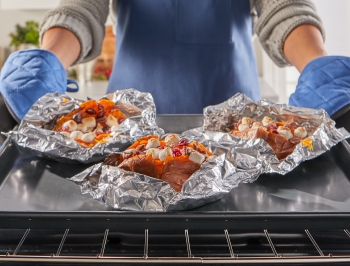
When the kitchen fills with the warmth of seasonal baking and roasting, knowing when to use parchment paper vs. aluminum foil can make dishes shine. For those sweet or delicate foods, Reynolds Kitchens® Parchment Paper offers a non-stick surface that ensures even baking and easy cleanup—ideal for cookies fresh from the oven, lining cake pans, parchment packets for delicate fish, or cooking with acidic ingredients like citrus or tomato sauce. Reynolds Wrap® Aluminum Foil withstands high heat, making it perfect for roasting potatoes and vegetables, grilling meats, charring pizza, creating foil packets, and storing leftovers in the freezer.
Whether it’s aluminum vs. parchment paper, these two kitchen staples help make baked or roasted recipes come together beautifully.
Baking with aluminum foil vs. parchment paper
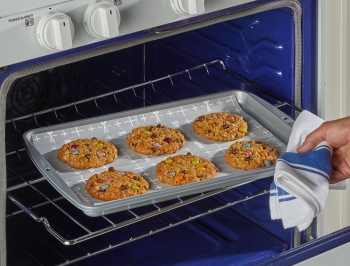
The primary difference in usage between foil and parchment paper is temperature: if you’re baking cookies, cakes, or other sweet treats, parchment paper is your go-to—it keeps items from sticking and can be used at temperatures of 425°F or lower. But when it’s time for those golden roasted veggies, bubbling casseroles, or juicy meats, aluminum foil is the star. It can handle the high heat of roasting, broiling, and grilling, resulting in a perfect, crisp finish.
YOU'LL NEED...

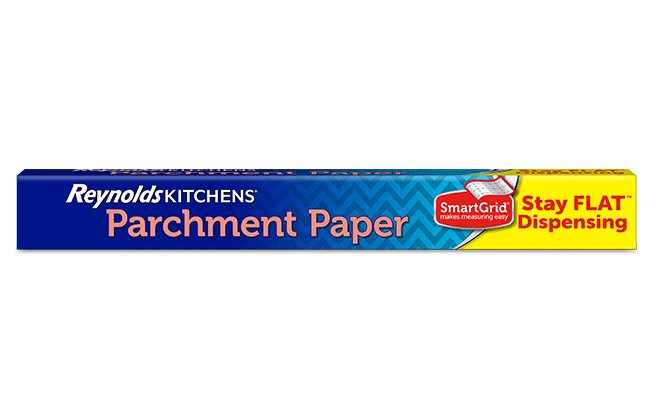
Better baking with Reynolds Brands
Let’s help you make meals easier, baking better, and gatherings feel like home. Trusted for over 75 years, Reynolds Wrap® Everyday Aluminum foil is tough and durable for baking and roasting everyday meals. Reynolds Kitchens® Parchment Paper with Stay Flat® Dispensing stays smooth—no curls, no fuss. Its SmartGrid® design helps with easy spacing, while the non-stick surface is oven-safe up to 425°F. Check out this handy guide about the differences between foil and parchment paper:
| Feature | Everyday Aluminum Foil | Parchment Paper |
|---|---|---|
| Best Uses | Broiling, roasting, covering, crisping, meat, pizza, and foil packet cooking | Baking cookies, cakes, veggies, acidic ingredients, seafood, roasting, and parchment packet cooking |
| Heat Resistance | Withstands the highest temperatures in most home ovens | Up to 425F. Cannot touch the racks, sides, top or bottom of the oven or open flames |
| Non-stick | No. But non-stick foil and grill foil are non-stick | Yes |
| Reusability | No | Can be reused up to 3 times per baking session |
| Moisture Control | When covered or wrapped in packets, locks in steam and juices, helps prevent drying out or over-browning | Breathable, can be used as packets in the oven, covers in the microwave |
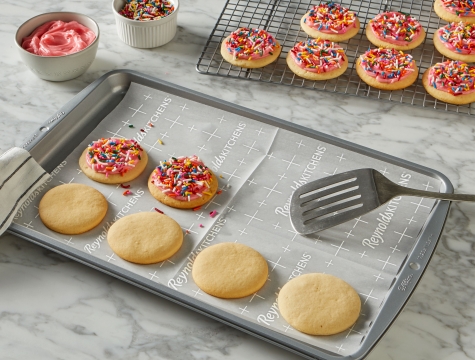
Baking cookies? Use parchment paper or aluminum foil
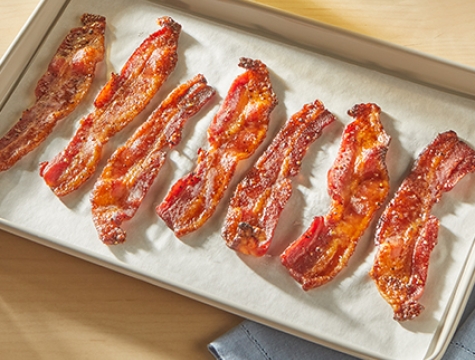
Cooking crispy bacon? Use parchment paper or aluminum foil
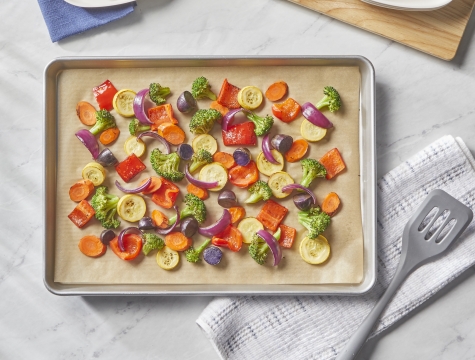
Making tender sheet pan vegetables? Use parchment paper or aluminum foil
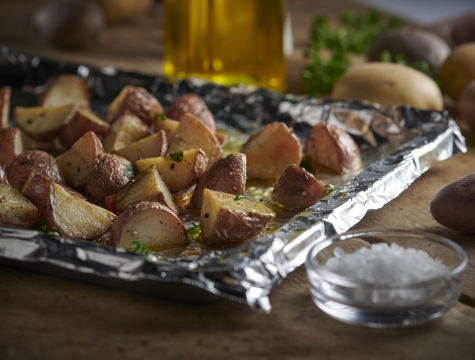
Savory crispy potatoes? Use aluminum foil
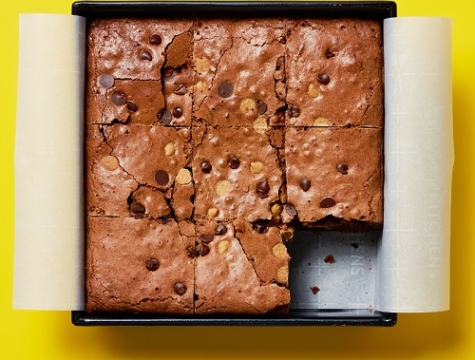
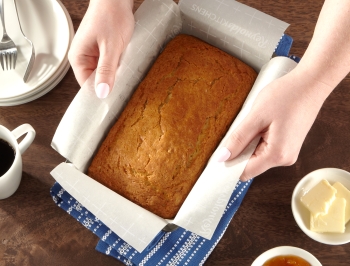
Baking cakes, cupcakes, and brownies? Use parchment paper
Line your pans with parchment paper for easy, even baking and effortless release from the pan. Parchment cake liners help keep treats from sticking and help baked goods lift cleanly from the pan—great for brownie favorites like Chocolate Peanut Butter Fudge Brownies.
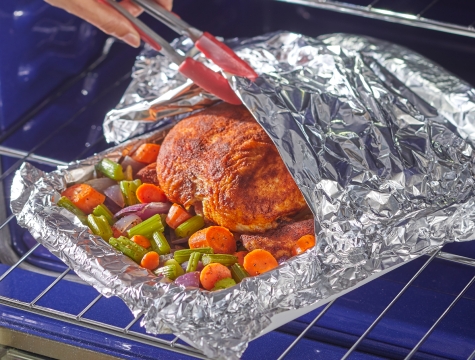
Roasting poultry and red meat? Bake in aluminum foil
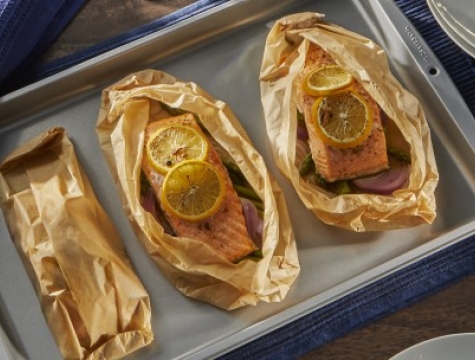
Steaming fish? Use parchment paper packets
Parchment paper is ideal for preparing light, flavorful seafood dishes with minimal cleanup. Parchment cooking bags or folded parchment packets gently steam fish, locking in moisture and seasoning for tender, even results. Add herbs, citrus, or spices right inside—just like in our Lemon Pepper Cod in Parchment Paper recipe. For crispier skin or higher-heat cooking, try aluminum foil instead.
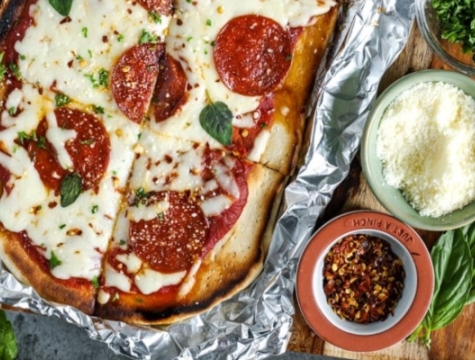
Craving crispy-crust pizza? Bake in aluminum foil
Foil helps achieve that crisp, golden crust, whether you’re baking in the oven or grilling pizza outdoors. It also makes cleanup quick and easy. While parchment paper can be used for gentle, even reheating (without sticking) in the microwave, foil is preferred for pizzas that require a firm, crunchy base.
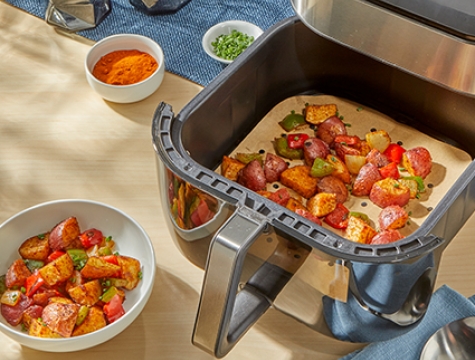
Love air fryer baking? Use parchment paper liners and aluminum foil cups
Make your air fryer baking easy! Use parchment paper liners to keep foods from sticking and make cleanup a cinch. For individual portions, try aluminum foil air fryer cups. They’re great for baking egg bites, muffins, mac and cheese, dips, cakes, and more.
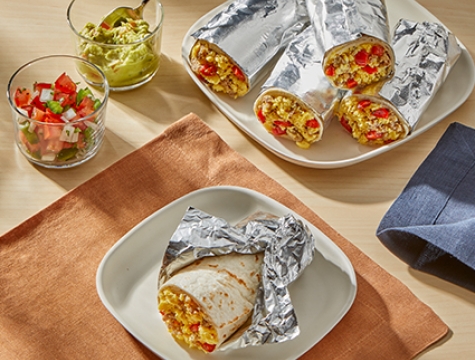
Heating and reheating? Use aluminum foil
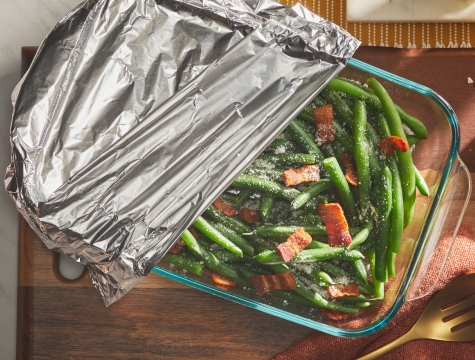
Storing leftovers? Use aluminum foil
Aluminum foil is a kitchen essential for helping keep food fresh in both the fridge and freezer. It molds easily around bowls, dishes, containers without lids, and even food itself to lock out air, help seal in freshness, and help prevent food odors from spreading. For long-term freezer storage, freezer paper is another great option.
Frequently asked questions
Can you bake cookies on foil instead of parchment paper?
Is parchment paper safe to use in the oven?
What can I use instead of parchment paper for baking?
Can you cook bacon on parchment paper in the oven?
Can you put aluminum foil on a baking sheet?
Can you put aluminum foil in a glass baking dish?
Related Articles