Which Side of Aluminum Foil is Non-stick?
Reynolds offers two non-stick foils depending on your needs. Reynolds Wrap® Non-Stick Aluminum Foil comes in a 12-inch width and is perfect for everyday meals so you can enjoy every bite of your favorite sticky meals. Reynolds Wrap® Grill Foil is 18 inches wide, non-stick, and its heavy duty strength is perfect for no-mess grilling of sticky foods.
For both non-stick and grill foil, place food on the dull side, which features the non-stick coating. An easy way to remember: if you can read the printed words on the foil, the non-stick side is facing up.
For all our other foils, it doesn't matter which side you use. The shiny and dull sides perform the same for cooking, baking, grilling, wrapping, and storing food. The only exceptions are non-stick foil and grill foil, both of which have a non-stick side.
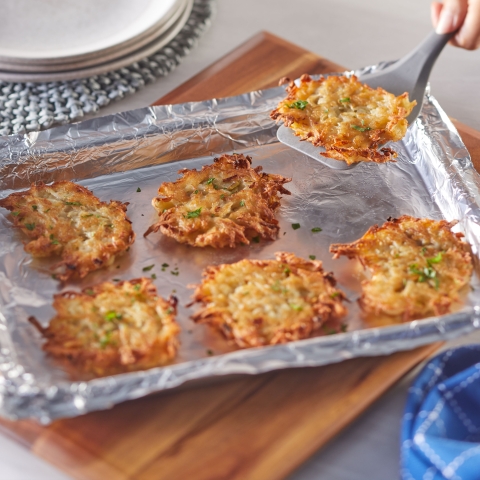
Does it matter which side of aluminum foil touches food?
No. With regular aluminum foil, it doesn't matter which side touches your food. The shiny and dull sides perform the same—they're simply the result of the manufacturing process.
- Standard foils: Both sides perform equally well for heating, freezing, and storing. You can place your food on either side. Standard foils include our everyday, heavy duty, recycled, pitmaster’s choice, and foil sheets.
- Non-stick foil: Food should be placed on the dull side, which is coated with a food-safe, non-stick coating
Why does aluminum foil have a shiny and dull side?
The shiny and dull sides of aluminum foil are simply the result of how the foil is made—not because one side cooks better than the other.
- Why they look different: During manufacturing, two layers of foil are rolled together. The sides that touch the polished rollers become shiny, while the sides pressed against each other become dull.
- Does it affect cooking? No. Although the shiny side reflects slightly more radiant heat, the difference is so small that it has no noticeable effect on everyday cooking or baking.
When should you use non-stick foil vs. standard foil?
We recommend using non-stick foil for foods likely to stick:
- Cheesy casseroles
- Chicken wings
- Grilled packets
- Fish
- Roasted vegetables
- Saucy or glazed foods
- Baked foods where easy release matters
Learn more about cooking with aluminum foil
 Submit your own question to the product experts at Reynolds.